Luxor Museum sits on the east bank of the Nile, roughly midway between Luxor Temple to the south and Karnak Temple to the north - making the surrounding area one of the most strategically positioned zones for sightseeing in all of Egypt. Staying close to the museum means you're not just near one attraction, but within reach of Luxor's entire east bank circuit, with the west bank sites a short ferry or taxi ride across the river.
What It's Like Staying Near Luxor Museum
The stretch of Corniche el-Nile running past Luxor Museum is the backbone of tourist Luxor - hotels here front the river, calèche drivers patrol the road at all hours, and the street stays active well into the evening. Walking to Luxor Museum takes under 15 minutes from most Corniche hotels, while Karnak Temple is reachable on foot in around 25 minutes heading north. The area is generally safe at night with consistent street lighting along the Corniche, though side streets off the main strip can feel more chaotic during peak season, especially near the souk.
Pros:
Direct Nile Corniche access puts Luxor Museum, Luxor Temple, and the Mummification Museum all within a single walkable corridor
Frequent minibus and taxi connections to Karnak Temple and west bank ferry docks are available within steps of most central hotels
Hotels on or near the Corniche typically include Nile-view rooms, which adds significant value at no extra transport cost
Cons:
Corniche-facing rooms face road noise from tourist carriages and motorbikes, particularly between 7am and 10pm
High foot traffic around the museum entrance area means street vendors are persistent, especially from late morning onward
West bank sites like the Valley of the Kings require a ferry crossing plus additional transport, adding time even from a central location
Why Choose Central Hotels Near Luxor Museum
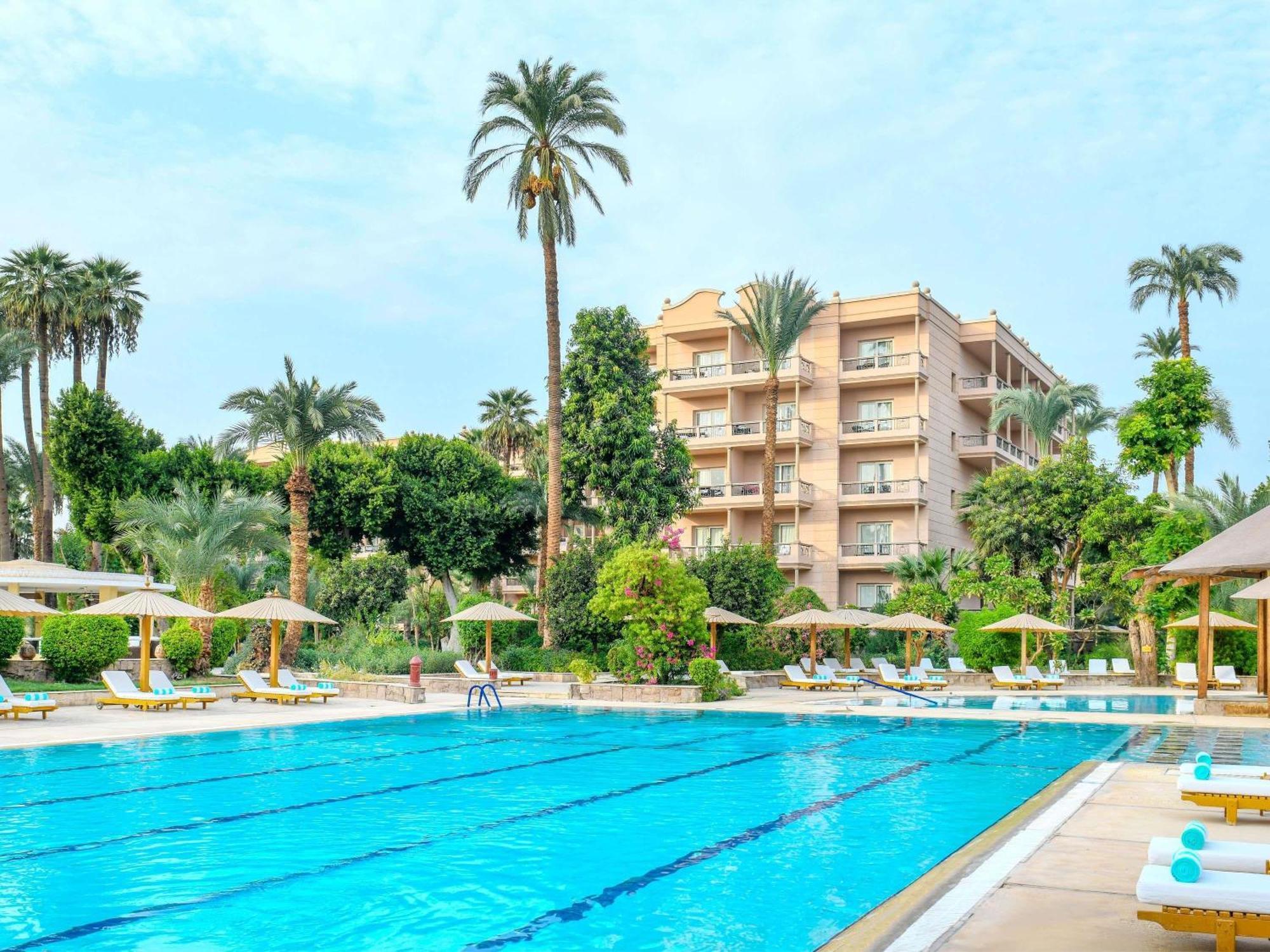
Central hotels in Luxor are concentrated along Corniche el-Nile and the few blocks immediately inland, offering a fundamentally different experience from resort-style properties further out. These properties trade sprawling grounds for immediate access to the east bank's main archaeological corridor, and most include amenities - pools, multiple restaurants, Nile terraces - that rival larger resorts in quality while placing you closer to the action. Properties in this zone range from 4-star river-facing hotels to 5-star resort complexes on the Corniche, with nightly rates that can run around 40% lower than comparable Cairo properties during mid-season.
Pros:
No transport cost or planning required for daily museum visits - you walk out and you're already in the archaeological zone
Most central properties on the Corniche include rooftop or riverside dining, giving you Nile views without paying for a dedicated cruise
Booking a central hotel consolidates your base - one location covers Luxor Temple, the Mummification Museum, and Luxor Museum within the same walk
Cons:
Room sizes at central Luxor hotels are often smaller than resort properties with larger land footprints outside the city core
Corniche-side rooms carry a noise premium - travelers sensitive to early morning activity may prefer inland-facing rooms even at a small view sacrifice
Parking is limited and disorganized near the Corniche, making central hotels less practical if you're traveling with a private vehicle or joining multi-day overland tours
Practical Booking & Area Strategy
Corniche el-Nile is the primary axis - hotels positioned directly on this road offer the shortest walk to Luxor Museum (roughly 10 to 15 minutes on foot heading north from the Luxor Temple cluster). The Mummification Museum is located just outside Luxor Museum's entrance, so both can be visited in a single morning without any transport. Karnak Temple Complex is the main attraction requiring a decision: it's around 3 km north along the Corniche from the museum, walkable in cooler months but best reached by calèche or tuk-tuk between April and October when temperatures exceed 35°C by mid-morning.
For west bank sites - Valley of the Kings, Hatshepsut Temple, Colossi of Memnon - the standard approach is an early morning felucca or motorboat crossing from the public ferry dock near Luxor Temple, followed by a shared minibus or hired taxi. Booking east bank central hotels at least 6 weeks ahead during the November-February high season is essential, as properties on the Corniche fill quickly and last-minute rates spike considerably. Shoulder season bookings (March-April, September-October) offer better rate flexibility while still providing manageable sightseeing temperatures in the early hours.
Best Value Stays
These properties offer strong access to the Luxor Museum corridor with well-rounded amenities at competitive nightly rates, making them the most practical base for east bank sightseeing.
-
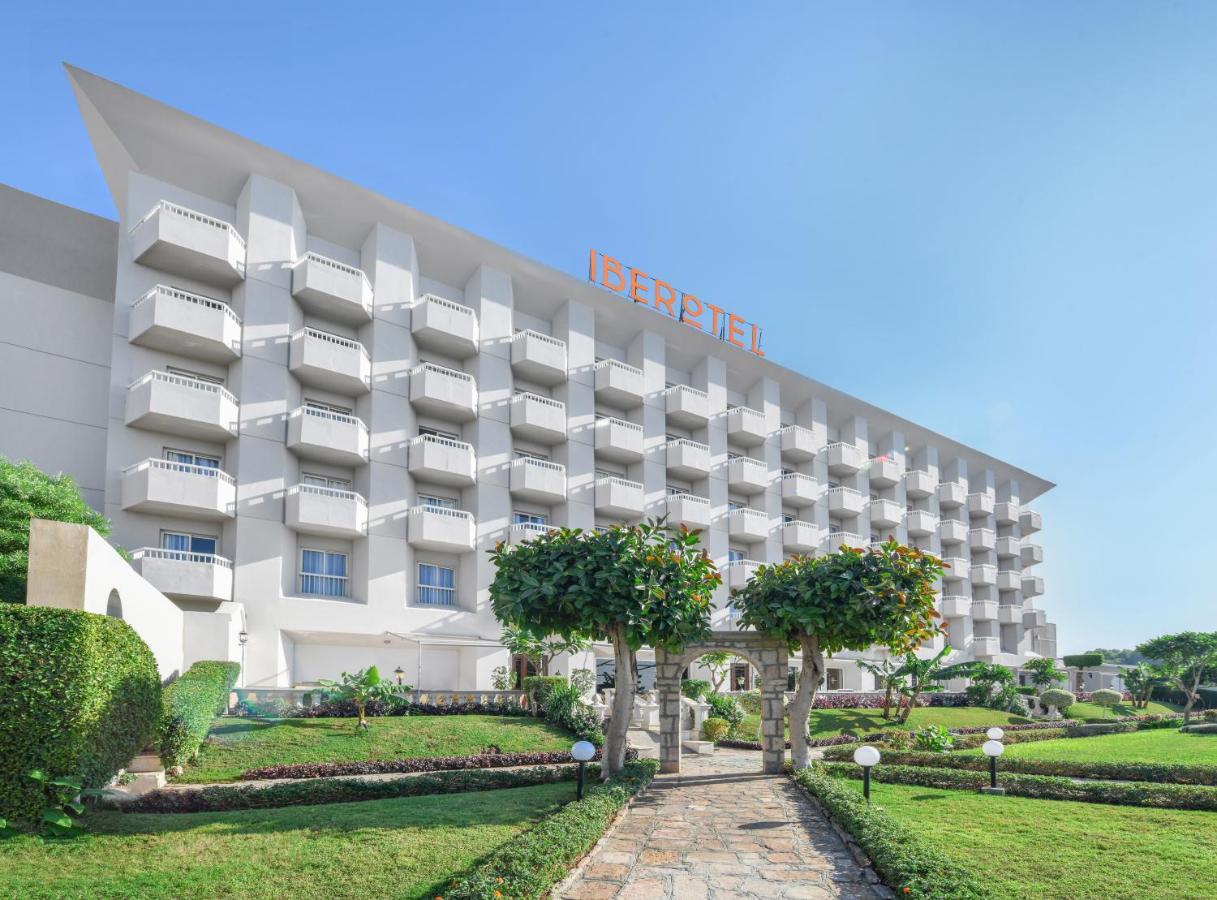
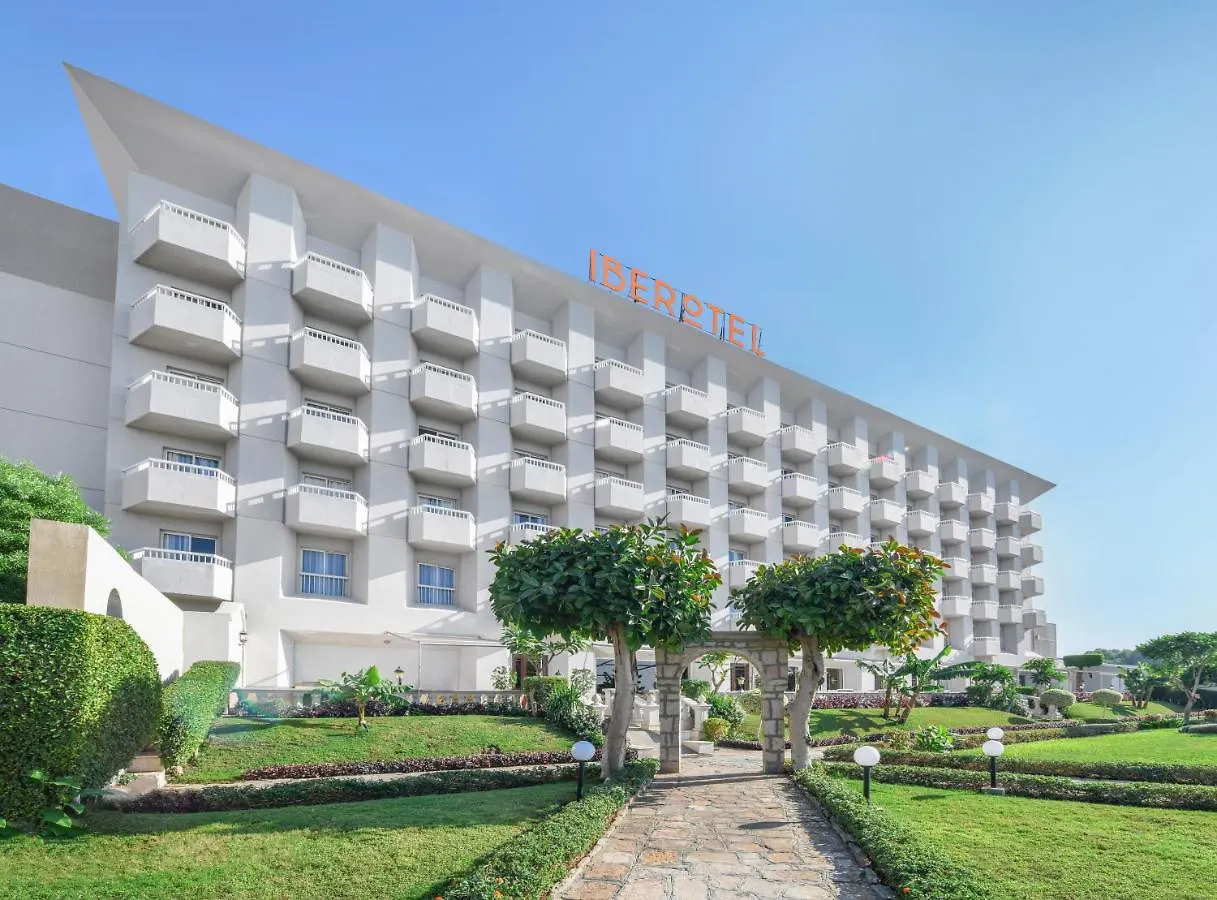
1. Iberotel Luxor By Jaz
Show on map


Just a few rooms left at the best rate!
fromUS$ 33
-
2. Pavillon Winter Luxor
Show on map


Just a few rooms left at the best rate!
fromUS$ 46
-
3. Djorff Palace
Show on map


Hurry – almost gone at this price!
fromUS$ 96
Best Premium Stays
These properties combine resort-level facilities with Nile positioning and structured excursion access - suited for travelers who want Luxor Museum and the east bank circuit covered without compromising on space or services.
-
1. Steigenberger Resort Achti
Show on map


Hurry – almost gone at this price!
fromUS$ 35
-
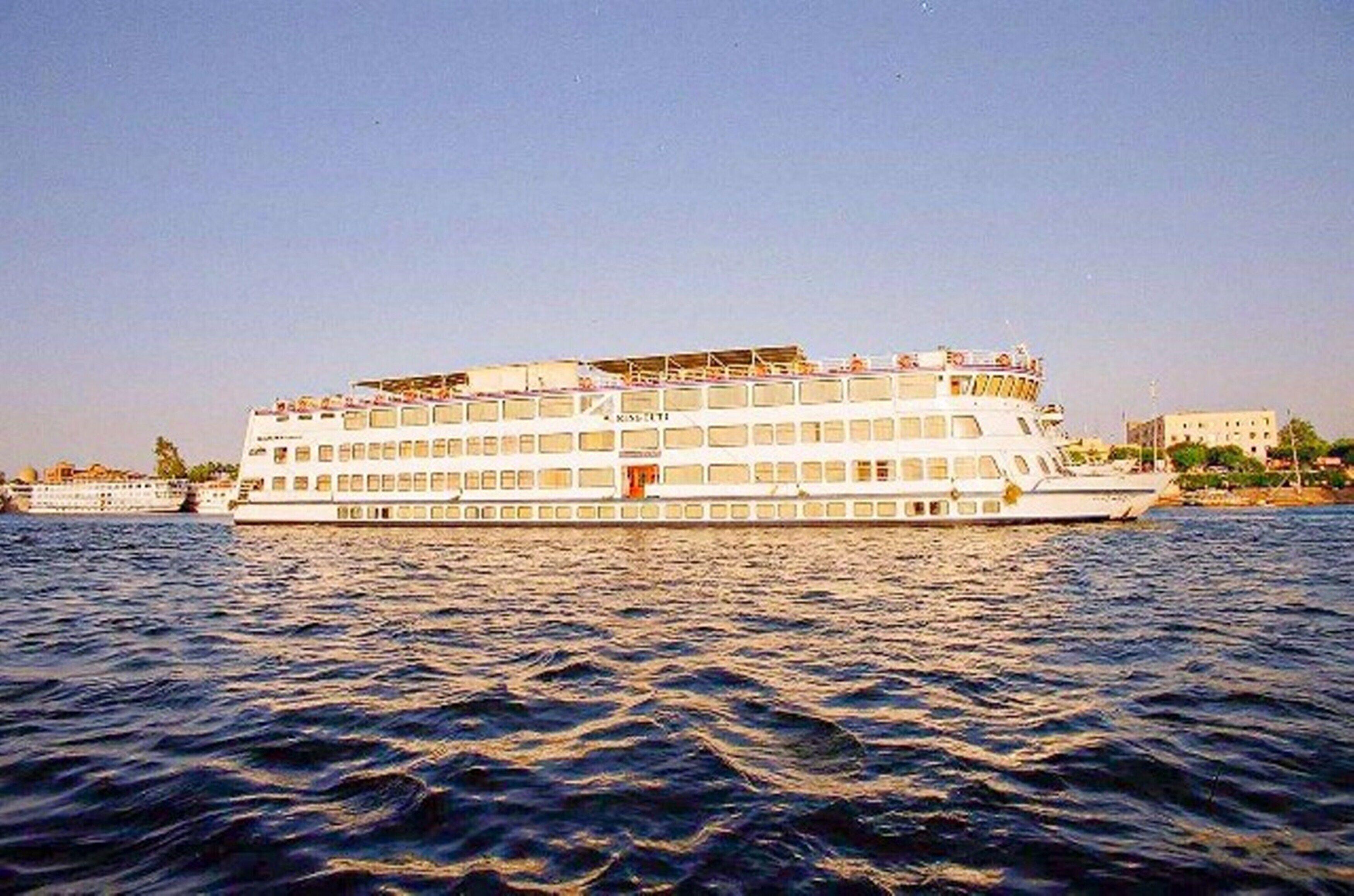
2. Moevenpick Royal Lotus Nile Cruise, Every Monday Four Nights From Luxor, Every Friday Three Nights From Aswan - Including Excursions & Sightseeing
Show on map


Rooms filling fast – secure the best rate!
fromUS$ 1380
Smart Travel & Timing for Luxor Museum Visits
Luxor's tourism season peaks between November and February, when temperatures drop to a manageable 20-25°C and the east bank Corniche fills with European and North American visitors on Nile cruise packages. Hotel rates near Luxor Museum during December and January are at their annual highest, and Corniche properties can sell out weeks in advance - booking at least 6 weeks ahead is the minimum for this window. March and April offer a strong alternative: crowds thin, prices ease, and morning temperatures stay cool enough for the full Corniche walking circuit before noon.
Luxor Museum itself opens at 9am and is significantly less crowded in the first hour than Karnak or the Valley of the Kings - staying nearby means you can walk over at opening time and return to your hotel before the main tour groups arrive at 10am. Avoid booking only one night in central Luxor if you plan to cover both east and west bank sites; two full days is the realistic minimum, and three nights allows for unhurried visits to Karnak, the museum, and a half-day west bank excursion without rushing. The summer months (June-August) see the fewest visitors and lowest rates, but midday heat exceeds 40°C, limiting outdoor sightseeing to early morning windows only.