
Hatshepsut's Temple - officially known as Djeser-Djeseru - sits at the base of the Theban cliffs in Deir el-Bahari, on Luxor's West Bank. Staying near it means choosing a base on the opposite side of the Nile from Luxor's main hotel strip, with a fundamentally different pace, fewer crowds after dark, and direct access to the West Bank's concentration of pharaonic monuments. This guide compares two leisure hotels that serve this area, helping you decide which fits your itinerary, budget, and travel rhythm.
What It's Like Staying Near Hatshepsut's Temple
The area around Hatshepsut's Temple is not a hotel district - it is an archaeological zone. The West Bank of Luxor is quieter, less commercialized, and significantly less congested than the East Bank's Corniche, but that also means fewer dining options, limited nightlife, and a dependence on taxis or organized transport to reach the main city hub. Most hotels serving this area are actually located on the East Bank, using ferry or bridge crossings to reach Deir el-Bahari - the local ferry takes around 10 minutes and costs almost nothing. Hatshepsut's Temple itself opens at dawn, so staying on or near the West Bank gives you a meaningful logistical edge: you can arrive before the tour buses, which typically descend from Luxor by mid-morning.
Tour groups dominate the site between 9 AM and 1 PM, making an early start from a nearby base genuinely worth it. Travelers who want to explore the Valley of the Kings, the Colossi of Memnon, and Medinet Habu Temple in a single day will find a West Bank-adjacent stay far more efficient than commuting from the East Bank each morning.
Pros:
- Direct access to the West Bank's cluster of monuments, including the Valley of the Kings and Valley of the Queens, without daily cross-river logistics
- Quieter surroundings at night compared to the busy Corniche area on the East Bank
- Earlier arrival at Hatshepsut's Temple is realistic, letting you beat the peak-hour tour group crowds
Cons:
- Fewer restaurants and street-level dining options compared to the East Bank's Luxor Temple neighborhood
- A ferry or bridge crossing is still required for most West Bank-adjacent stays to reach Luxor's main services
- Taxi availability after dark on the West Bank is limited and requires pre-arrangement through the hotel
Why Choose Leisure Hotels Near Hatshepsut's Temple
Leisure-focused hotels in the Luxor area near Hatshepsut's Temple tend to prioritize amenities that make the heat manageable - outdoor pools, shaded terraces, Nile-facing balconies, and on-site dining so guests are not forced outside at midday when temperatures are at their highest. Unlike budget guesthouses concentrated in the West Bank villages, leisure hotels typically offer air-conditioned rooms, structured breakfast service, and concierge support for booking day trips to the Valley of the Kings or guided West Bank tours. The price gap between a basic guesthouse and a leisure hotel in Luxor is around 60%, but the infrastructure difference - particularly the pool and breakfast - matters considerably when you're visiting active archaeological sites in high heat.
The trade-off is that leisure hotels close to the Hatshepsut's Temple catchment area are not always within walking distance of the site itself. Most require a short taxi or tuk-tuk ride of around 5 km from the East Bank's main hotel cluster to reach the temple entrance at Deir el-Bahari. For leisure travelers who prefer a comfortable base over a hyper-local position, this is an acceptable compromise that comes with better dining and pool access.
Pros:
- On-site pools provide essential recovery space after long mornings on dusty archaeological sites in 35°C-plus temperatures
- Structured breakfast packages reduce the need to source food independently before early temple visits
- Concierge services at leisure hotels typically include direct connections to licensed West Bank tour operators and drivers
Cons:
- None of the leisure hotels in the area are within walking distance of Hatshepsut's Temple - transport is always required
- On-site restaurants, while convenient, are priced above the local average, which adds up over a multi-night stay
- Leisure hotels on the East Bank Corniche can feel distant from the West Bank archaeological atmosphere that defines this part of Luxor
Practical Booking & Area Strategy
The two most useful positioning zones for visiting Hatshepsut's Temple are the East Bank Corniche (Corniche el-Nil), where the majority of Luxor's established hotels sit directly on the Nile with easy ferry access to the West Bank, and the West Bank village of El-Gezira, which offers a smaller selection of guesthouses and smaller properties closer to the archaeological zone itself. From the Corniche, the local ferry to the West Bank departs near the Luxor Temple waterfront and takes around 10 minutes, after which a taxi to Hatshepsut's Temple is roughly 6 km. For travelers focused on the West Bank monuments, the Colossi of Memnon are visible right from the West Bank ferry landing, and Medinet Habu Temple is within a short cycling distance from El-Gezira.
Beyond Hatshepsut's Temple, the West Bank holds the Valley of the Kings, the Valley of the Queens, the Ramesseum, and Deir el-Medina - making it one of the densest concentrations of ancient sites anywhere on Earth. Book at least 2 nights minimum if you intend to cover the main West Bank sites properly; one day is not enough to do Hatshepsut's Temple and the Valley of the Kings justice. During peak season (October through February), hotels along the Corniche fill quickly, and rates at the better-positioned properties can increase significantly - booking 6 weeks in advance is advisable for that window.
Recommended Leisure Hotels
Both properties below serve leisure travelers visiting Hatshepsut's Temple from an East Bank base, with distinct positioning in terms of atmosphere, distance from key sites, and included facilities.
-
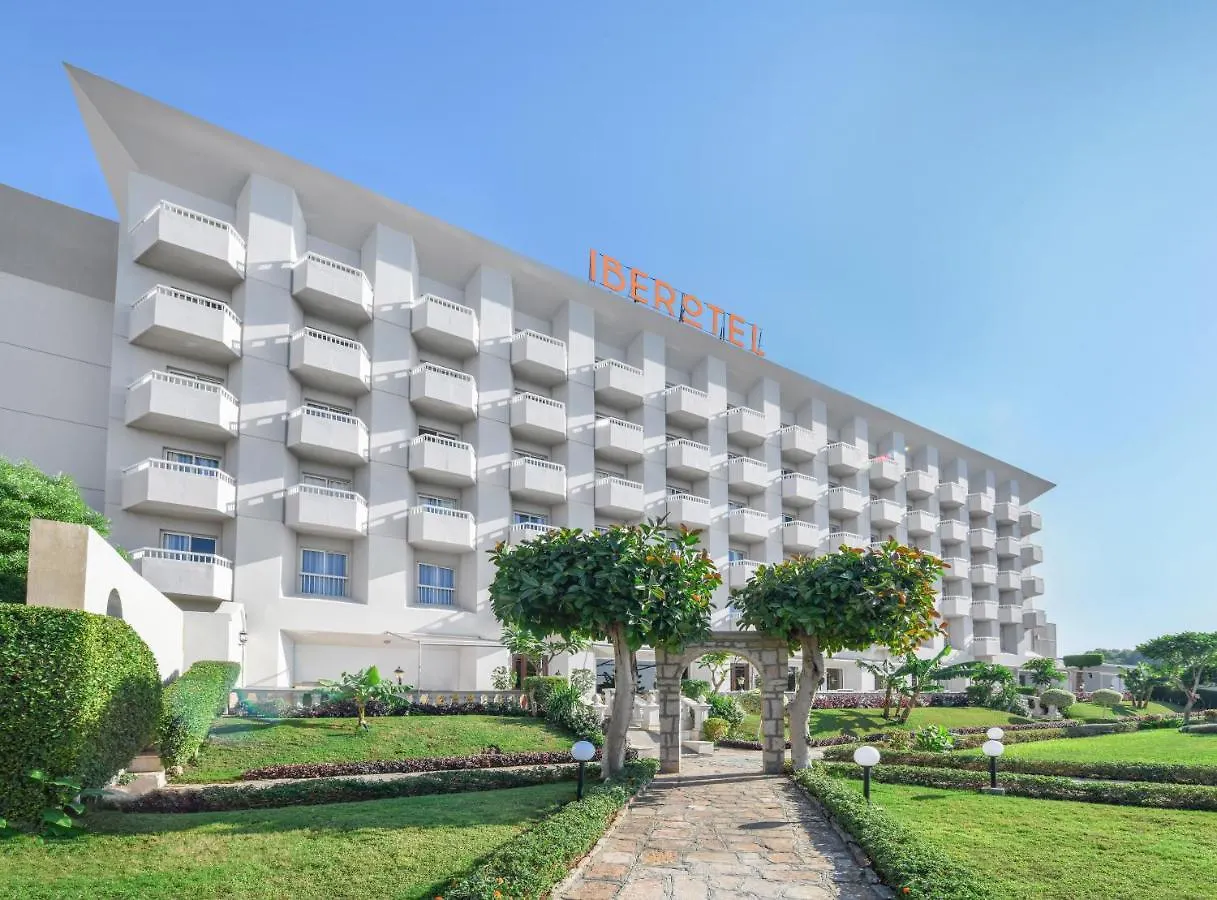
1. Iberotel Luxor By Jaz
Show on map


 Check-infrom 14:00 until 23:59Check-outuntil 12:00
Just a few rooms left at the best rate!
fromEGP 1684
-
2. Djorff Palace
Show on map


 Check-infrom 15:00 until 23:30Check-outfrom 05:00 until 12:00
Hurry – almost gone at this price!
fromEGP 4900
Smart Timing & Booking Advice for Hatshepsut's Temple Visits
The optimal window for visiting Hatshepsut's Temple - and for staying in Luxor generally - is October through February, when daytime temperatures drop to a manageable level and the site is accessible without the brutal heat of summer. January and February are the peak months for international tourism in Luxor, which means hotel rates along the Corniche are at their highest and organized tour groups are most concentrated at the temple between 9 AM and noon. March through May offers a middle ground: fewer tour groups, slightly warmer temperatures, and more room availability. The summer months (June through August) see very few international leisure travelers, and hotels drop rates noticeably, but temperatures regularly exceed 40°C - which makes a full morning at an open-air site like Hatshepsut's Temple genuinely demanding.
For the October-to-February peak, booking 6 weeks in advance is the realistic minimum for securing good rates at Nile-front properties. Two nights in Luxor is the functional minimum for combining Hatshepsut's Temple with the Valley of the Kings; three nights allows a more relaxed pace that also includes Karnak Temple on the East Bank and a sunset at the Colossi of Memnon. Last-minute bookings in peak season typically result in paying a premium or settling for properties away from the Nile frontage.

