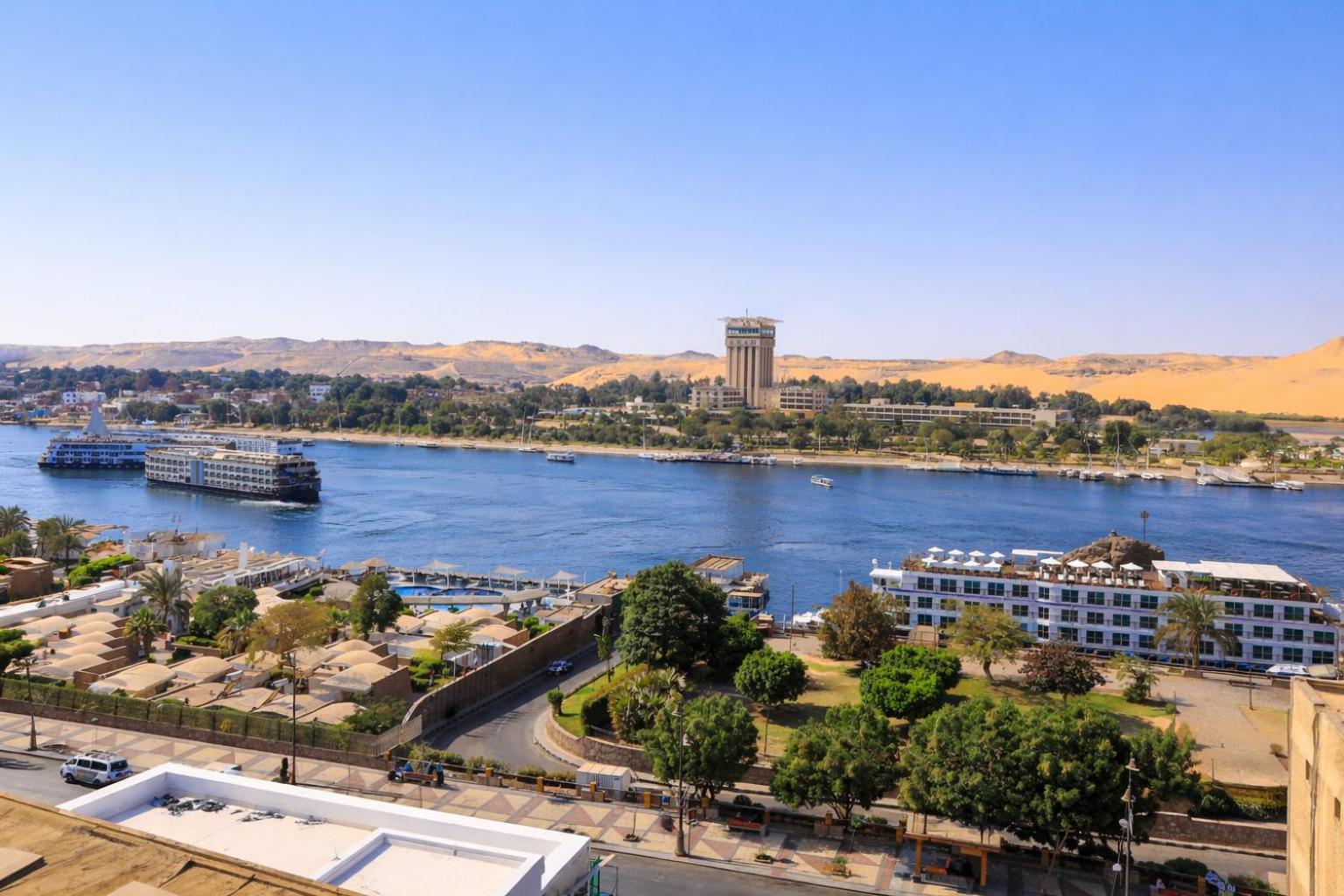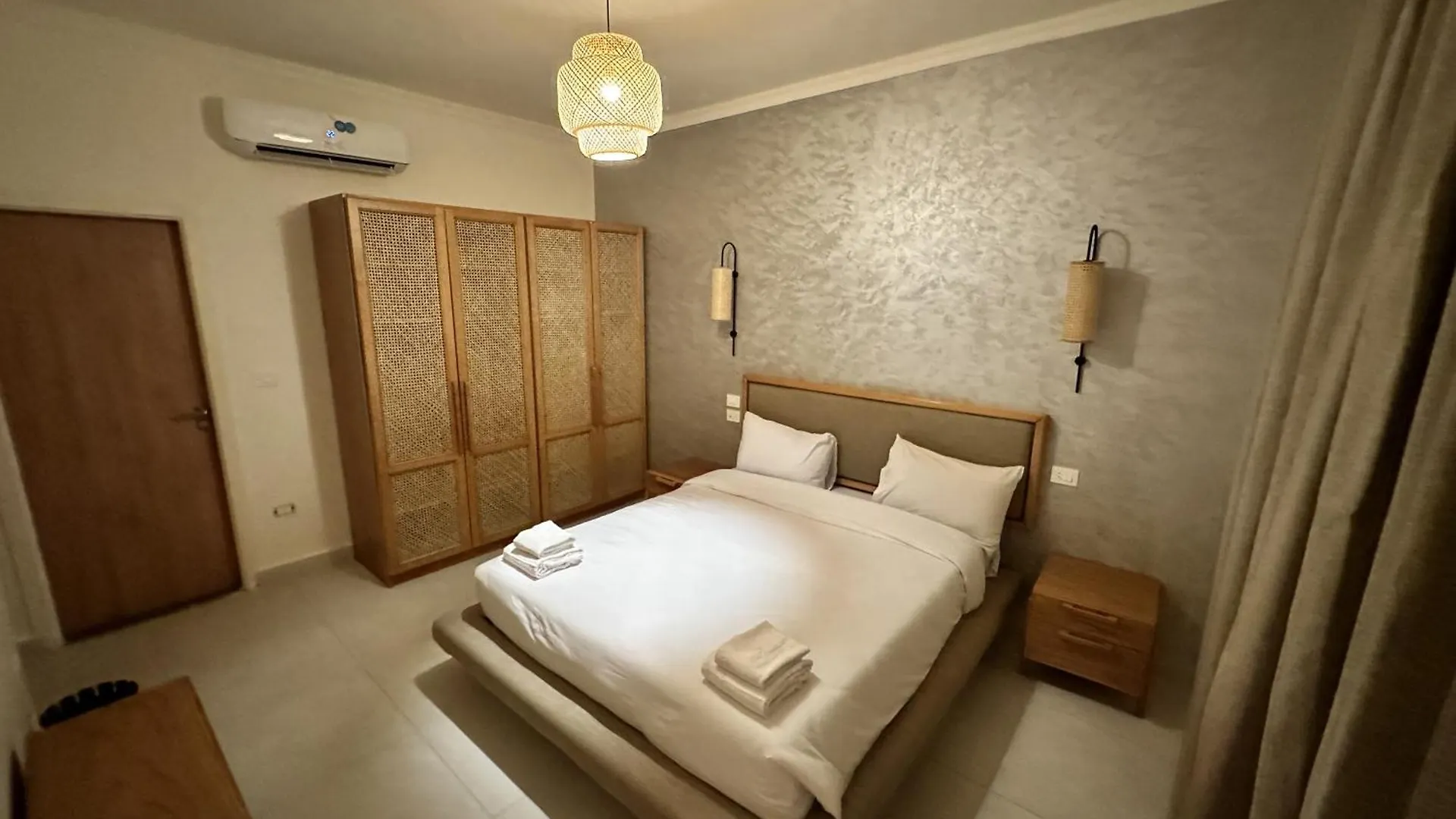
Egypt concentrates some of Africa's most geographically and culturally diverse hotel destinations - from the Mediterranean coastline of El Alamein to the Nile-side hillside of Aswan, the satellite city sprawl of 6th of October, and the Red Sea access point of Hurghada. Each location serves a fundamentally different travel purpose, and choosing the wrong base can cost you both time and money. This guide breaks down four real hotel options across these destinations so you can book with precision, not guesswork.
What It's Like Staying in Africa - Egypt Specifically
Egypt is Africa's most visited country for a reason: it stacks ancient monuments, Red Sea diving, Mediterranean beaches, and Nile cruises into a single nation. But the logistics vary dramatically by region - driving from Cairo to Aswan takes around 12 hours by road, which means your hotel location determines your entire itinerary. Coastal destinations like El Alamein draw summer crowds from June through August, while Aswan and Luxor peak between October and February when temperatures drop below 30°C. Travelers who spread their stay across multiple Egyptian destinations tend to get far more value than those anchored to a single city.
Pros:
- Egypt offers one of the highest ratios of UNESCO World Heritage Sites to land area in Africa, concentrated along a navigable river corridor
- Domestic flights between Cairo, Aswan, Hurghada, and Marsa Matruh are frequent and affordable, making multi-destination trips realistic
- Hotels in Egypt generally include breakfast as standard, reducing daily food costs significantly compared to European equivalents
Cons:
- Summer heat in Upper Egypt (Aswan, Luxor) regularly exceeds 40°C, making outdoor sightseeing brutal without careful timing
- Traffic in Greater Cairo and the 6th of October corridor can add 90 minutes to crosstown transfers during peak hours
- Tourist-facing pricing is common at major attractions, and haggling is expected - which can be exhausting for first-time visitors
Why Choose a Standard Hotel in Egypt Over Other Accommodation Types
In Egypt's mid-range and resort hotel sector, you get infrastructure that serviced apartments and guesthouses simply don't match - on-site restaurants, airport shuttle access, and 24-hour front desks that matter enormously when arriving on late-night flights from Europe or the Gulf. Breakfast-inclusive pricing is nearly universal in Egyptian hotels at the 3-star level and above, which is a meaningful cost offset given that sit-down meals at tourist-area restaurants can run around 25 USD per person. The trade-off is that rooms in Egyptian city hotels - particularly in suburban districts like 6th of October - tend to prioritize functional layouts over luxury finishes.
Pros:
- On-site food and beverage options reduce dependency on local transport for meals, especially useful in resort or hillside locations like Aswan
- Airport shuttle services are commonly included, which matters given that Egypt's airports are rarely central to their destination cities
- Free WiFi and air conditioning are standard across the properties reviewed, critical given Egypt's heat and connectivity needs
Cons:
- Pool and garden amenities are not guaranteed across all property types - suburban city hotels may lack resort-style outdoor space
- Some properties outside Cairo's core are car-dependent, with limited walkable dining or entertainment options nearby
- Room service and à la carte options can feel limited in lower-tier properties compared to what the hotel category implies
Practical Booking & Area Strategy for Egypt
The four destinations covered here - El Alamein, Aswan, 6th of October City, and Hurghada - each serve a distinct traveler profile. El Alamein is positioned along the North Coast highway, around 41 km from El Alamein International Airport, and functions primarily as a summer beach escape for Egyptian and Gulf families, meaning July and August availability disappears fast. Aswan, in contrast, is best booked for October through February, when Nile cruises operate at full capacity and the Nubian Museum, Philae Temple, and the High Dam are all accessible in comfortable temperatures. The 6th of October corridor west of Cairo is primarily a functional urban base - proximity to Mall of Arabia and Sphinx International Airport (around 16 km away) makes it practical for layovers or business-adjacent stays rather than sightseeing. Hurghada serves as the Red Sea's main gateway for European charter travelers and is accessible year-round, though spring and autumn offer the best balance of reef visibility and manageable heat for divers and snorkelers.
Best Value Stays
These properties deliver strong location advantages and essential amenities at positioning that suits travelers prioritizing access and practicality over resort-level luxury.
- Show on map
Best price guarantee
-
2. Villa 55
Show on map


 Check-infrom 15:30 until 23:59Check-outfrom 10:00 until 11:00
Just a few rooms left at the best rate!
fromEGP 2807
- Show on map
Best price guarantee
Best Premium Option
For travelers prioritizing landmark views, elevated dining, and a historically significant setting, this Nile-side property stands apart from the other options in this guide.
-
4. Basma Hotel Aswan
Show on map


 Check-infrom 14:00 until 23:59Check-outuntil 12:00
Hurry – almost gone at this price!
fromEGP 3267
Smart Travel & Timing Advice for Egypt Hotels
Egypt's tourism calendar splits cleanly by geography: the North Coast (El Alamein) peaks from June through August, when Egyptian families escape Cairo heat for the Mediterranean, and prices at properties like Ios Hotel & Village Extension rise sharply - booking around 8 weeks in advance is the minimum for summer weekends. Aswan and the Nile corridor are the opposite: October through February is peak season, when European and North American travelers arrive for Nile cruises and temple visits, and rooms at hillside properties like Basma Hotel fill within days of tour operators releasing allocations. Hurghada runs a longer moderate season, with March through May and September through November offering the best combination of warm water, manageable air temperatures, and lower-than-peak pricing - last-minute deals are more realistic here than at Nile destinations. For 6th of October City, seasonal timing matters less; the primary booking consideration is proximity to your Cairo-area schedule, since the area serves transit and business travelers rather than leisure itineraries. A minimum of two nights per destination is advisable across all four locations to avoid spending your stay entirely on arrival and departure logistics.